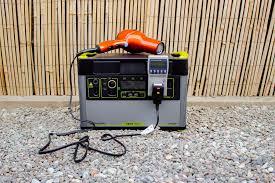
Portable power station have redefined mobile energy, packing robust battery power into sleek, user-friendly packages that eliminate reliance on grid electricity or noisy generators. Ideal for outdoor pursuits, emergency backups, and professional fieldwork, these devices offer silent, fume-free operation with capacities from 200Wh to over 5kWh. Equipped with diverse ports and rapid recharging, they cater to modern demands for uninterrupted power in any setting.
Anatomy of a Power Station
These units revolve around advanced lithium batteries—often LiFePO4 for superior safety and 3,000+ charge cycles—paired with a high-efficiency inverter that converts DC to AC power. Multiple outputs include AC sockets for appliances, USB-A/C for gadgets, DC for 12V devices, and sometimes wireless pads. Input options span AC walls, car ports, and solar panels with MPPT controllers for optimal harvesting.
Digital interfaces display real-time stats like wattage draw, remaining capacity, and runtime forecasts. Compact models weigh 10-20 pounds with foldable handles; larger ones add wheels and telescoping pulls. Surge capabilities, typically 1.5-2x continuous rating, manage high-startup loads like compressors or microwaves effortlessly.
Safety protocols include overcurrent protection, thermal regulation, and short-circuit safeguards, ensuring worry-free use indoors or out.
Compelling Advantages
Portability stands out: lightweight alloys and ergonomic designs make them backpack-friendly or SUV-ready. Zero emissions and whisper-quiet fans suit hospitals, camps, or neighborhoods with restrictions. Unlike fuel-based alternatives, no spills, refills, or ventilation needs simplify deployment.
Expandability via swappable packs scales output instantly—start with 500Wh, grow to 4kWh. Recharges fly: 80% in 45 minutes on turbo AC, or full solar top-ups in sunny hours. High efficiency (85-95%) stretches every watt, powering a 600W station to run LED lights for days, laptops through shifts, or mini-fridges overnight.
Pure sine wave inverters safeguard delicate gear, from drones to insulin pumps, without voltage spikes.
Real-World Scenarios
Adventurers fuel tents with projectors, speakers, and grills for immersive escapes. Families weather blackouts, sustaining freezers, chargers, and fans amid storms. Remote workers maintain productivity with steady laptop juice on job sites or travels.
RV enthusiasts integrate rooftop solar for boondocking bliss, while photographers illuminate shoots sans outlets. Tailgaters blast tunes and TVs pre-game; disaster prep kits activate for radios and lights when grids collapse. Medical users rely on consistent CPAP or oxygen support.
Buying Criteria
Assess watt-hours against usage: light duty (phones, tablets) needs 300Wh; heavy (tools, heaters) demands 1,500Wh+. Runtime formula: (Wh x 0.9) / watts. Favor LiFePO4 over NMC for durability and fire resistance.
Inspect ports, solar input (100-400W ideal), and app connectivity for smarts. Budget $250-$2,500; mid-tier 1,000Wh units hit $700 sweet spots. Warranties of 3-5 years signal quality—test pure sine output and UPS mode for seamless failover.
Cutting-Edge Developments
As of 2026, slimmer gallium-nitride inverters shrink sizes while boosting efficiency to 96%. EV vehicle-to-load tech turns cars into mega-stations. AI optimizes draws, predicts needs, and integrates smart homes. Recycled materials and 99% recyclable batteries push green credentials.
In conclusion, Portable power station deliver unmatched versatility, reliability, and sustainability, empowering untethered living. From wilderness jaunts to crisis resilience, they provide instant, clean power that adapts seamlessly—making energy independence accessible to all.