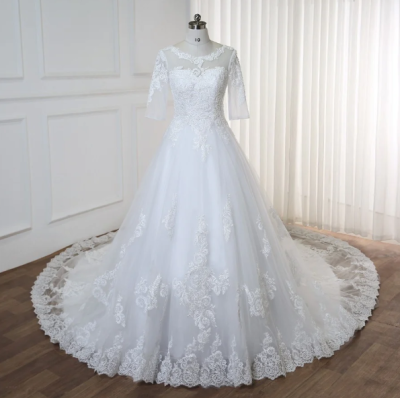
An Arabic bridal dress is not simply a wedding gown—it is a powerful symbol of tradition, beauty, and identity. Across the Arab world, bridal fashion reflects deep cultural roots blended with modern style. Every detail, from the fabric to the embroidery, represents elegance, honor, and celebration.
Cultural Importance of Arabic Bridal Dress
Weddings in Arab culture are grand events, often lasting several days. The bride is the center of attention, and her dress represents family pride, heritage, and joy. Each region has its own bridal style, but all aim to create a royal and graceful look for the bride.
In countries such as Saudi Arabia, the UAE, Morocco, Egypt, and Lebanon, bridal dresses are shaped by local traditions, Islamic values, and modern fashion. Modesty, beauty, and luxury come together to form the perfect Arabic bridal dress.
Traditional Arabic Bridal Styles
Traditional Arabic bridal dresses vary by region. The Moroccan kaftan is one of the most famous styles. It is usually layered, richly colored, and decorated with gold embroidery, crystals, and detailed patterns. Wide sleeves and a flowing shape give it a royal appearance.
Saudi bridal dresses often feature heavy fabrics, long sleeves, and detailed embroidery. They may be paired with traditional head coverings or golden crowns.
Egyptian bridal gowns are often inspired by Western styles but enhanced with Arabic embroidery and beadwork. Lebanese bridal dresses are known for glamorous cuts, luxury fabrics, and detailed designs that combine elegance with modesty.
Fabrics and Craftsmanship
Arabic bridal dresses are made from high-quality fabrics such as silk, satin, chiffon, velvet, tulle, and organza. These materials create a soft, flowing, and rich look. Heavy fabrics like velvet are popular for winter weddings, while light fabrics like chiffon are ideal for summer.
Most dresses include hand embroidery, pearls, sequins, and gold or silver threads. This detailed work can take weeks or even months to complete, showing the skill and patience of the designers.
Colors and Their Meaning
While white is now common, traditional Arabic bridal dresses come in many colors. Each shade carries a special meaning:
White: purity and new beginnings
Red: love and happiness
Gold: royalty and wealth
Green: blessings and prosperity
Blue: peace and protection
Some brides wear different colors during different wedding events.
Modern Arabic Bridal Fashion
Modern Arabic bridal dresses mix tradition with contemporary style. Designers now use simple shapes with rich details. Popular modern features include long trains, cape-style sleeves, high necklines, and soft transparent layers.
Many brides choose lightweight designs that are comfortable yet elegant. The goal is to balance beauty, tradition, and personal style.
Modesty and Elegance
Modesty is an important part of Arabic bridal fashion. Dresses often include long sleeves, high necks, and full skirts. Designers use lace, sheer fabric, and embroidery to add beauty without revealing too much.
Hijab bridal styles are very popular. Brides match their hijab with their dress using lace, pearls, or crystals. Crowns and tiaras are often worn over the hijab for a royal look.
Jewelry and Bridal Accessories
Jewelry completes the Arabic bridal look. Brides often wear gold necklaces, earrings, bangles, and rings with gemstones. In many cultures, the groom gifts gold jewelry to the bride as a symbol of love.
Headpieces, crowns, and decorated veils add beauty. Shoes are usually elegant heels or traditional sandals that match the dress.
Makeup and Hairstyle
Arabic bridal makeup is glamorous. It often includes smokey eyes, long lashes, shaped eyebrows, glowing skin, and soft lips. Hairstyles include waves, buns, or braids. If the bride wears a hijab, it is styled carefully to match the dress and jewelry.
Choosing the Right Arabic Bridal Dress
When choosing an Arabic bridal dress, brides should think about the season, wedding location, comfort, body shape, culture, and budget. Many brides choose custom-made dresses to get the perfect fit and design.
Dresses for Different Wedding Events
Arabic weddings include many events such as engagement parties, henna nights, wedding ceremonies, and receptions. Brides often wear colorful traditional dresses for henna night and elegant gowns for the main wedding.
Global Popularity
Arabic bridal fashion is now admired worldwide. Designers from the Middle East are known for luxury and creativity. Many brides from other cultures choose Arabic-style dresses because of their rich details and royal look.
Caring for the Bridal Dress
After the wedding, brides keep their dresses as special memories. To protect the dress, it should be cleaned professionally and stored in a dry, dark place using fabric covers. Many families pass bridal dresses to future generations.
Conclusion
An Arabic bridal dress is a beautiful mix of tradition, elegance, and modern style. With rich fabrics, detailed embroidery, meaningful colors, and modest designs, it represents love, culture, and celebration. Whether traditional or modern, every Arabic bridal dress tells a story of beauty and new beginnings.